
Collagen regeneration is essential to soft tissue repair
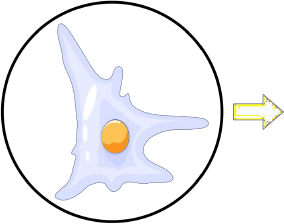
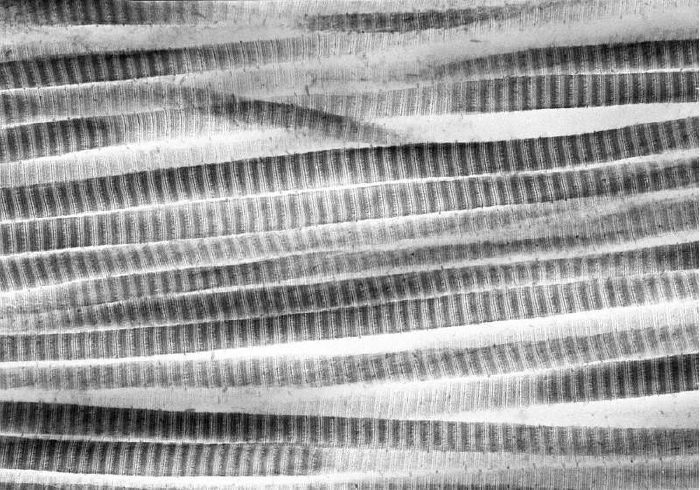
Collagen is the main structural protein in the connective tissues of animals, mostly found in cartilage, bones, tendons, ligaments, and skin. Despite being one of the most abundant proteins in the body, collagen regeneration at the site of tendon or cartilage injury can be a painstakingly slow process.
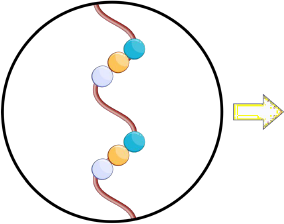
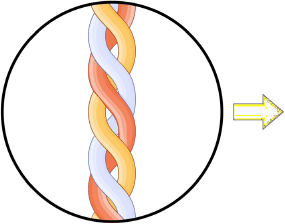
The primary purpose of TropoFlex is to stimulate the production of new collagen proteins, thereby supporting the body’s natural healing and regeneration processes. Collagen is rich in the amino acids glycine and Proline/hydroxyproline, which form tightly wound tropocollagen units that combine into a larger triple helix. This coiled collagen structure is particularly well suited to resist the stresses found in joints and tendons.
The patented TropoFlex formulation provides collagen-specific amino acids and co-factors in a unique ratio that promotes the generation of new tropocollagen units directly at the site of injury.

TropoFlex is a natural and effective treatment for injured tissue
Collagen is the main structural protein in the connective tissues of animals, mostly found in cartilage, bones, tendons, ligaments, and skin. Despite being one of the most abundant proteins in the body, collagen regeneration at the site of tendon or cartilage injury can be a painstakingly slow process.
The primary purpose of TropoFlex is to stimulate the production of new collagen proteins, thereby supporting the body’s natural healing and regeneration processes. Collagen is rich in the amino acids glycine and Proline/hydroxyproline, which form tightly wound tropocollagen units that combine into a larger triple helix. This coiled collagen structure is particularly well suited to resist the stresses found in joints and tendons.
The patented TropoFlex formulation provides collagen-specific amino acids and co-factors in a unique ratio that promotes the generation of new tropocollagen units directly at the site of injury.
Polyacrylamide does not become incorporated into, or repair the damaged joint tissue and unlike collagen, polyacrylamide is metabolized into toxic breakdown products.
The primary purpose of Tropoflex is to stimulate the production of new collagen proteins, thereby supporting the body’s natural healing and regeneration processes. Collagen is rich in the amino acids glycine, Lysine and Proline/hydroxyproline, which form tightly wound tropocollagen units that combine in the larger triple helix structure distinctive for mature collagen. This coiled collagen structure is particularly well suited to resist the stresses found in joints and tendons.
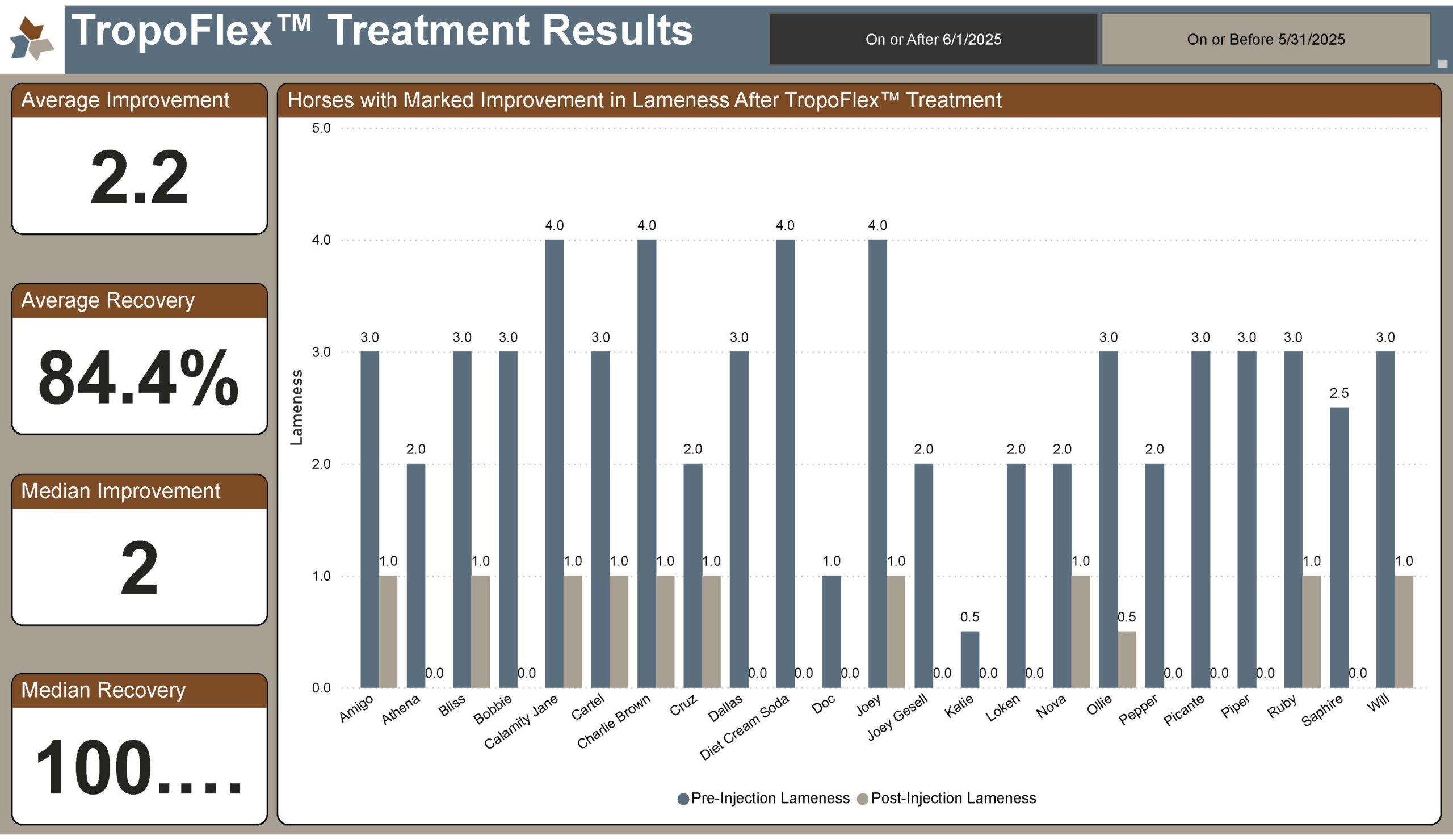
Tropoflex has demonstrated extremely positive results thus far in the application of generating new collagen proteins. Unlike stem cell or PRP protocols Tropoflex’ approach is specific in delivering the subset of particular hydroxylated amino residues to the injury sites where collagen formation is required. These regions of the body tend to be poorly vascularized and therefore are typically deficient in the amino acids and co-factors essential for collagen repair. Lysine, in particular, is often deficient in the diet and can limit collagen formation even in nutrient rich areas of the body. By localizing the correct ratios of amino acids at the site of injury, together with co-factors essential for collagen biosynthesis, Tropoflex stimulates and enhances the body’s natural repair mechanisms. The co-factors in Tropoflex are essential for:
The primary purpose of Tropoflex is to stimulate the production of new collagen proteins, thereby supporting the body’s natural healing and regeneration processes. Collagen is rich in the amino acids glycine, Lysine and Proline/hydroxyproline, which form tightly wound tropocollagen units that combine in the larger triple helix structure distinctive for mature collagen. This coiled collagen structure is particularly well suited to resist the stresses found in joints and tendons.
Tropoflex has demonstrated extremely positive results thus far in the application of generating new collagen proteins. Unlike stem cell or PRP protocols Tropoflex’ approach is specific in delivering the subset of particular hydroxylated amino residues to the injury sites where collagen formation is required. These regions of the body tend to be poorly vascularized and therefore are typically deficient in the amino acids and co-factors essential for collagen repair. Lysine, in particular, is often deficient in the diet and can limit collagen formation even in nutrient rich areas of the body. By localizing the correct ratios of amino acids at the site of injury, together with co-factors essential for collagen biosynthesis, Tropoflex stimulates and enhances the body’s natural repair mechanisms. The co-factors in Tropoflex are essential for:
- Delivering key metabolites directly to the damaged site, providing substrates including amino acids, nucleotides and energy precursors (including and mTOR activation which promotes protein synthesis)
- Upregulating natural collagen gene expression to stimulate continuous repair, via zinc finger transcription factor stabilization
- HIF-1 alpha modulation in hypoxia which promotes ECM and tissue remodeling
- The conversion of Proline to Hydroxyproline, which stabilizes the structure of the collagen molecules through hydrogen bond interactions
- Reducing collagenase activity at the site of injury (which breaks down collagen, slowing repair)
- Stabilizing the correct triple helix formation of procollagen in the endoplasmic reticulum (ER), which is essential for reducing aggregation (which leads to scarring)
- Cross-linking the collagen molecules to mature the fibril structure and strengthen the repaired tissue
By boosting the body’s inherent repair processes, Tropoflex leads to rapid and long lasting healing without the side effects of synthetic fillers or the unpredictable inflammatory responses created by the injection of cellular material and growth factors that can lead to fibrosis through excessive TGF-ß1 signaling (associated with PRP protocols, for example).
IMPORTANT – Tropoflex has not been approved by the US Food and Drug Administration (FDA) to diagnose, treat, cure or prevent any disease, nor to affect the structure or function of the body, and no claims about Tropoflex have been evaluated by the FDA. When offered, Tropoflex is provided as a veterinary directed therapy within the practice of medicine and is prepared from GMP quality compounds.